

Installing an alarm is a sensible first step, but on its own, it is only half the job. An unmonitored alarm can make noise, flash lights, and hope someone reacts. If no one does, the damage is already done. For homes and businesses across New Zealand, the real value lies in what happens after the alarm activates.
Alarm monitoring ensures that every alert is noticed, assessed, and acted on. Instead of relying on neighbours, passers-by, or sheer luck, a professional monitoring centre responds immediately. This creates a clear difference between an alarm that simply exists and one that actively protects.
At Integrated Security Services, we work with clients who want certainty, not crossed fingers. This guide explains why security alarm monitoring is essential, how it works in practice, and why it has become a core part of modern protection for NZ properties.
The Problem with Unmonitored Alarms
An unmonitored alarm depends on someone being close enough, awake enough, and willing enough to respond. In reality, that is a risky assumption. Many alarms activate during the night or outside business hours when no one is around to investigate. Even if a neighbour hears it, they may not know whether it is a false alarm or a genuine break-in.
For businesses, the risks are even higher. A siren might scare off an intruder, but it does not guarantee they leave empty-handed. For homes, especially in quieter areas, alarms can sound for minutes without any response at all. This gap is exactly what intruders rely on.
Alarm monitoring services remove that uncertainty. Every activation is received by trained professionals who follow a clear response process. That process is what turns an alarm into a genuine line of defence rather than a noisy accessory.
What Alarm Monitoring Actually Does

Security alarm monitoring connects your alarm system to a monitoring centre that operates around the clock. When the alarm is triggered, a signal is sent instantly to the monitoring team. They assess the alert, verify what is happening where possible, and take action based on the agreed response plan.
That response might include contacting the property owner, dispatching security patrols, or notifying emergency services. For many NZ homes and businesses, this happens within seconds. There is no delay while someone wonders whether the alarm is real.
A professional security alarm monitoring service provides:
- Continuous oversight, 24 hours a day, seven days a week.
- Immediate response without relying on the owner being available.
- Clear escalation procedures tailored to the property.
- Accurate records of activations and responses.
Why Residential Alarm Monitoring Matters
For homeowners, alarm monitoring is about peace of mind as much as protection. Most burglaries occur when properties are unoccupied. Relying on an unmonitored alarm during those moments leaves too much to chance. With home alarm monitoring, someone is always watching, even when you’re not.
Monitored alarms are particularly valuable for:
- Families who travel frequently or work irregular hours.
- Homes in quieter neighbourhoods where alarms may go unnoticed.
- Properties with valuable belongings or vehicles.
- Elderly homeowners who want fast assistance in an emergency.
Beyond burglary, modern alarm monitoring can also include alerts for fire, smoke, or medical emergencies. This makes it a broader safety tool rather than a single-purpose system. For many NZ households, the reassurance of knowing help is automatically on the way is reason enough.
Why Businesses Rely on Alarm Monitoring
For businesses, alarm monitoring is not optional protection; it’s risk management. A break-in can lead to stolen stock, damaged premises, downtime, and increased insurance premiums. The faster the response, the lower the impact. Burglar alarm monitoring ensures that incidents are dealt with immediately, even when no staff are on site. Monitoring centres can coordinate with keyholders, security patrols, or police, depending on the situation. This reduces the window of opportunity for intruders and limits potential losses.
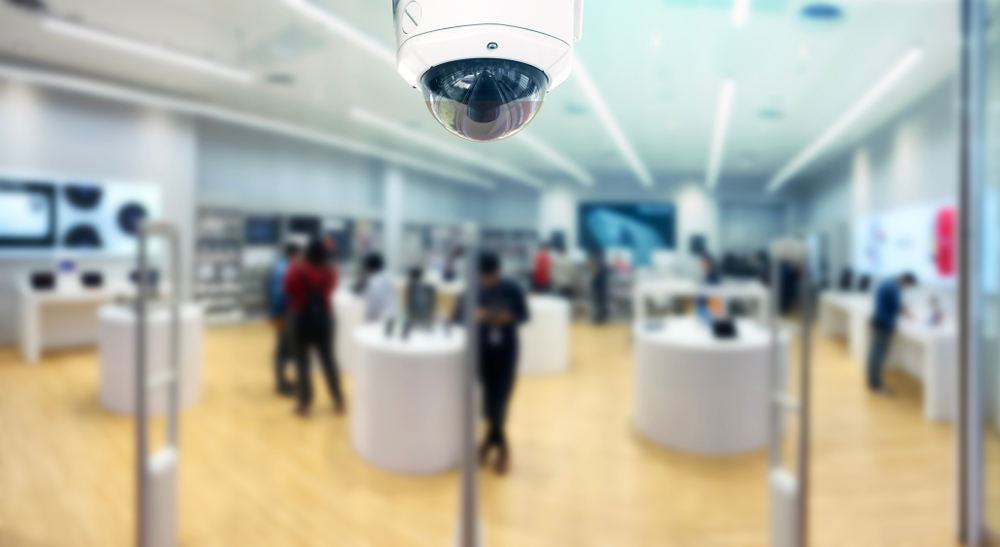
Businesses across many sectors depend on monitored alarms, including:
- Retail stores with high-value or easily resold stock.
- Warehouses and logistics sites operating outside normal hours.
- Offices with sensitive data or equipment.
- Construction sites with tools and machinery left overnight.
- Healthcare and education facilities requiring rapid response.
In many cases, insurers expect or require monitored alarms as part of coverage. Choosing a reliable alarm monitoring company can therefore protect both physical assets and financial stability.
Alarm Monitoring as Part of a Wider Security Strategy
Alarm monitoring is most effective when it’s part of a broader security setup. When combined with CCTV and access control, monitoring teams gain better context and verification. Cameras can help confirm whether an activation is genuine, while access logs show who was on site.
This integrated approach reduces false alarms and improves response accuracy. It also provides stronger evidence if incidents need to be investigated later. For businesses, especially, this joined-up view supports better decision-making and accountability.
Rather than treating alarm monitoring as a standalone add-on, it should be seen as the backbone of an effective security system. It ensures that every other layer is supported by a real-time response.
Reliable Protection Starts with Alarm Monitoring
At Integrated Security Services, our alarm monitoring makes sure alerts don’t get ignored. When something triggers, it’s received, checked, and handled properly, even when you’re busy or away.
If you want your alarm to be backed by a real response, get in touch with our team, and we’ll help you put the right monitoring in place.

Alarm Monitoring in New Zealand FAQs
What do security monitoring companies actually do?
Security monitoring companies receive alarm signals in real time and respond according to an agreed plan. This may include contacting you, dispatching security patrols, or notifying emergency services.
How do alarm monitoring services differ from app alerts
App alerts rely on you seeing and acting on a notification. Alarm monitoring services don’t. A professional team assesses every activation and follows a set response process, which is far more reliable than hoping someone checks their phone in time.
Can monitoring be added to an existing alarm
In many cases, yes. A security alarm monitoring service can often be integrated with your current system, provided it meets technical requirements. An assessment will confirm what’s possible.